Book Appointment Now

CNC Machined Aluminum Filter Housing: Precision, Durability, and Custom Manufacturing
: How precision CNC machining delivers lightweight, corrosion-resistant aluminum filter housings for demanding fluid and air filtration systems.
: Explore the materials, machining processes, tolerances, surface treatments, quality controls, and design considerations behind a reliable CNC machined aluminum filter housing.
CNC machined aluminum filter housing; custom aluminum filter housing; aluminum filter housing manufacturer.
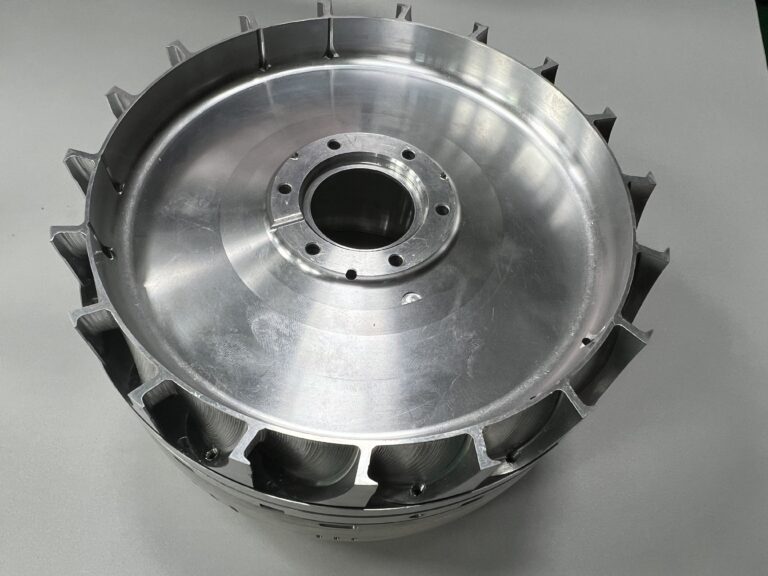
A CNC machined aluminum filter housing protects filter elements, directs fluid or airflow, and maintains a reliable seal under pressure. Because the housing often includes thin walls, deep internal cavities, threaded ports, O-ring grooves, and multiple sealing faces, dimensional accuracy is critical. A small error in bore size, concentricity, or groove geometry may cause leakage, pressure loss, premature filter failure, or assembly difficulty.
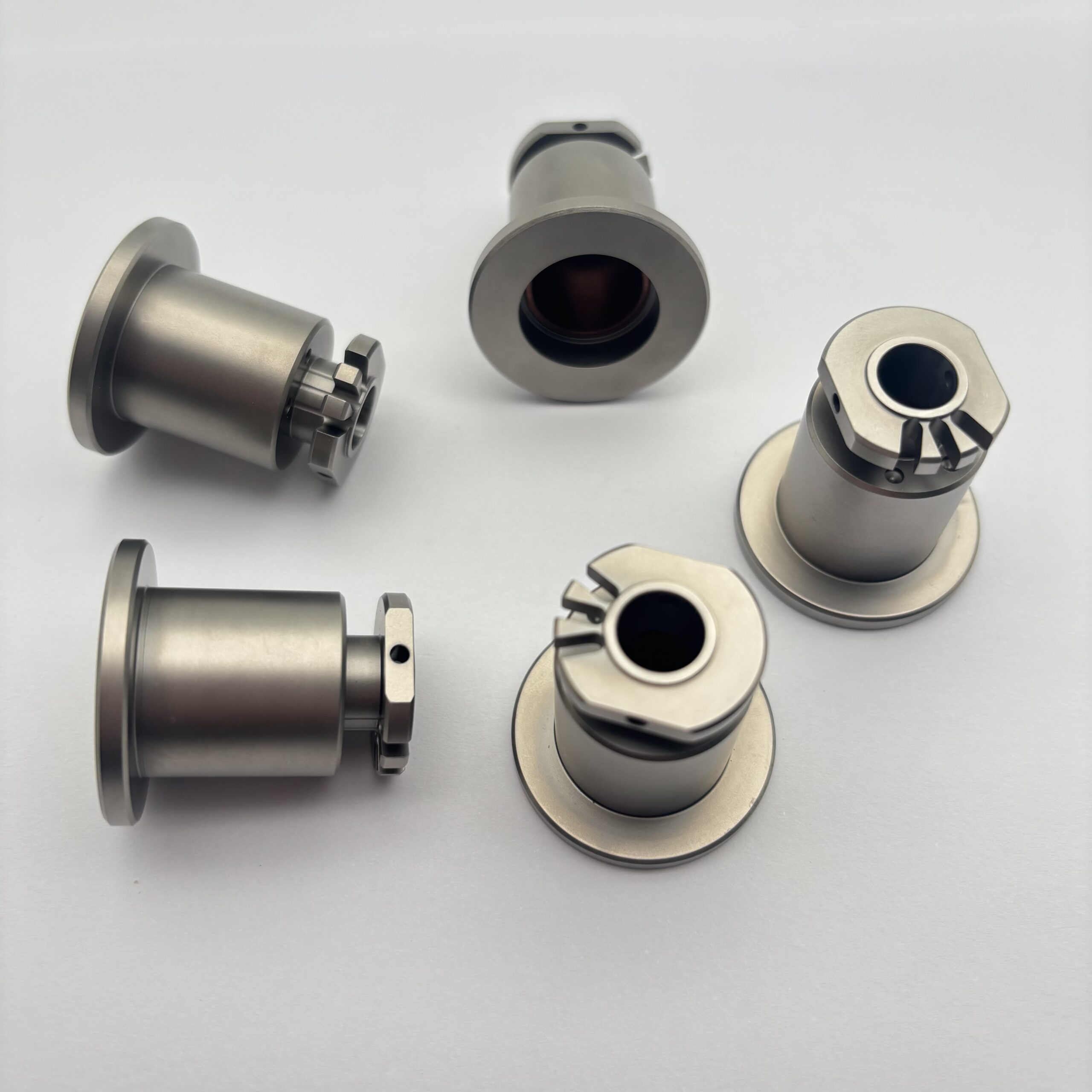
HKAA manufactures custom aluminum filter housings from prototype to volume production. Our team combines material selection, multi-axis machining, controlled fixturing, surface finishing, and dimensional inspection to produce complex housings for industrial equipment, automation systems, thermal management assemblies, filtration units, pumps, and other precision applications.
Why Use Aluminum for a Filter Housing?
Aluminum offers an excellent balance of weight, machinability, strength, thermal conductivity, and corrosion resistance. Compared with many steel alternatives, an aluminum housing can reduce assembly weight while still providing the rigidity required for pressure-bearing and sealing functions.
- Low weight: Useful for compact or mobile equipment where total system mass matters.
- Good machinability: Supports deep bores, precision threads, intersecting passages, sealing grooves, and complex external profiles.
- Corrosion resistance: Natural oxide protection can be further improved through anodizing or chemical conversion coating.
- Thermal performance: Aluminum transfers heat efficiently in filtration or fluid-management assemblies.
- Design flexibility: CNC machining makes prototypes and customized port layouts possible without dedicated casting tooling.
Recommended Aluminum Grades
6061-T6 Aluminum
6061-T6 is the most common choice for a CNC machined aluminum filter housing. It combines stable machining, good mechanical strength, corrosion resistance, weldability, and reliable anodizing results. It is suitable for most industrial filtration applications.
6082 Aluminum
6082 provides strong mechanical properties and is widely used for structural parts. It can be selected when the housing requires greater rigidity while retaining the manufacturing advantages of a 6000-series alloy.
7075-T6 Aluminum
7075-T6 offers higher strength and is appropriate for specialized housings exposed to increased mechanical loads. Its cost, corrosion behavior, and finishing requirements should be reviewed before final material selection.
Key CNC Machining Operations
Most filter housings require a planned sequence of turning and milling operations. Round bodies may begin with CNC turning to establish the outer diameter, central bore, shoulders, and threads. CNC milling is then used for mounting faces, bolt patterns, wrench flats, side ports, brackets, and identification features.
- Precision turning of internal and external diameters
- Deep-bore machining and internal cavity finishing
- Thread milling or tapping for inlet, outlet, drain, and sensor ports
- O-ring and gasket groove machining
- Cross-hole and intersecting-passage machining
- Multi-axis milling of complex mounting features
- Deburring and edge finishing to protect seals and simplify assembly
For housings with ports located at several angles, 4-axis or 5-axis machining reduces repeated setups. Fewer setups improve the positional relationship between bores, ports, sealing faces, and mounting holes while reducing handling time.
Critical Tolerances and Sealing Features
The most important dimensions depend on the filter element, working pressure, seal type, and mating components. Typical controlled features include bore diameter, roundness, thread geometry, port position, sealing-face flatness, groove width and depth, and concentricity between the cavity and closure thread.
HKAA can control critical dimensions to ±0.005 mm where the drawing, material condition, feature geometry, and inspection method support that requirement. Not every dimension needs an extremely tight tolerance. Applying precision only to functional interfaces reduces cost and improves production stability.
Surface Finish and Corrosion Protection
Surface treatment should be selected according to the operating fluid, environment, appearance, electrical requirements, and sealing design. Common options include:
- Clear or colored anodizing: Improves wear and corrosion resistance and provides a consistent appearance.
- Hard anodizing: Adds a thicker, harder surface for components exposed to abrasion or frequent assembly.
- Chemical conversion coating: Provides corrosion protection while maintaining electrical conductivity and minimal dimensional change.
- Bead blasting: Creates a uniform matte texture before anodizing.
- Passivation-compatible cleaning: Removes chips, residue, and contamination from internal passages.
Masking instructions are important. Threads, precision bores, grounding points, and sealing surfaces may need to remain uncoated. The coating thickness must also be considered when defining groove dimensions and threaded fits.
Design Tips for Better Manufacturability
- Use standard thread sizes and clearly identify thread standards on the drawing.
- Add realistic internal corner radii instead of specifying unnecessary sharp corners.
- Provide tool access for deep cavities, cross holes, and sealing grooves.
- Define datum references that reflect how the housing assembles and seals.
- Specify surface roughness only where it affects sealing, flow, wear, or appearance.
- Separate critical tolerances from general tolerances.
- State anodizing type, color, masking areas, and acceptable contact marks.
Early design-for-manufacturing review can identify thin-wall deformation, excessive depth-to-diameter ratios, inaccessible features, and unnecessary setup changes before production begins.
Real Manufacturing Case: Multi-Port Aluminum Filter Housing
A customer required a custom 6061-T6 aluminum filter housing with a deep internal cavity, multiple side ports, a threaded closure, an O-ring groove, and mounting features on different faces. The main challenge was maintaining concentricity and sealing-face flatness after significant internal material removal.
Our engineering team reviewed the drawing and developed a controlled machining sequence. Rough machining was followed by a stabilization stage, then finish turning and multi-axis milling. A dedicated fixture supported the thin-wall area without distorting the bore. Critical sealing dimensions, port positions, and threaded features were inspected with a Zeiss CMM and calibrated gauges.
The approved process achieved stable assembly, clean internal passages, and consistent sealing performance across repeat production batches. The customer also reduced assembly adjustment because the port relationships and mounting datums remained consistent from part to part.
Quality Control for Aluminum Filter Housings
Quality control begins before machining. Material certificates, drawing revision, tolerances, surface-finish requirements, and inspection criteria must be confirmed. During production, first-article inspection establishes the process, while in-process checks control tool wear and dimensional drift.
- Raw-material and certificate verification
- First-article dimensional inspection
- In-process bore, thread, and groove measurement
- CMM inspection of geometric and positional tolerances
- Visual inspection after surface treatment
- Cleaning and passage inspection before packing
- Inspection reports and material documentation when requested
Why Choose HKAA?
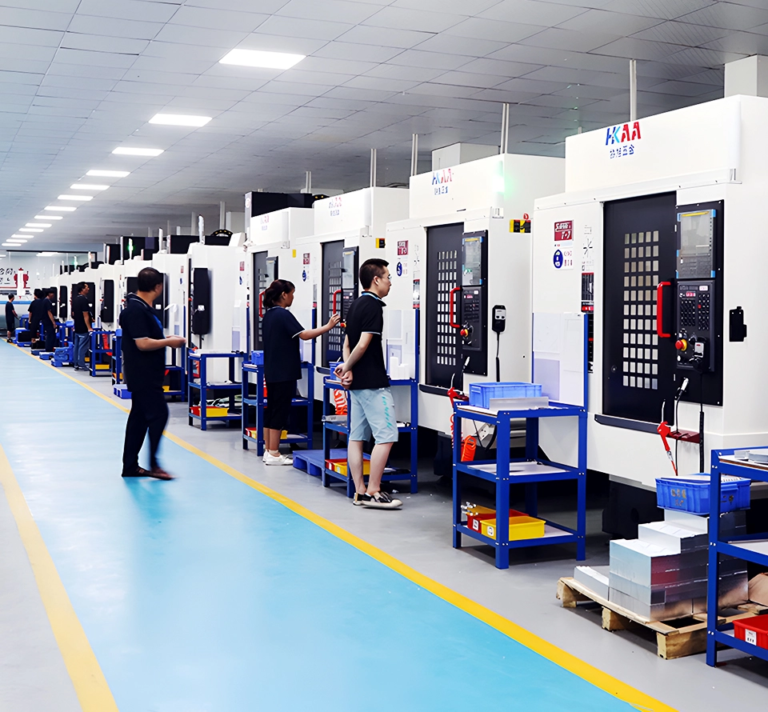
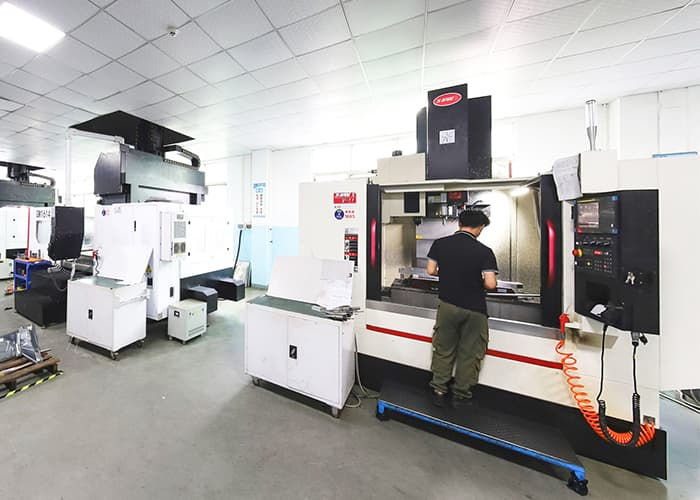
Founded in 1998, HKAA operates a manufacturing facility of more than 10,000 m² with over 150 employees and approximately 320 production machines. Our capabilities include CNC milling, CNC turning, multi-axis machining, surface-treatment coordination, assembly, and dimensional inspection. More than 20 inspection devices, including Zeiss CMM equipment, support consistent quality control.
Our quality systems include AS9100, IATF 16949, and ISO 13485 certifications. We support prototypes, low-volume orders, and repeat production for complex aluminum components, with engineering feedback available before manufacturing.
Frequently Asked Questions
What is the best aluminum alloy for a filter housing?
6061-T6 is usually the first choice because it offers good strength, corrosion resistance, machinability, and anodizing performance. Higher-strength alloys may be used when operating loads require them.
Can you machine custom ports and threads?
Yes. We can machine customized inlet, outlet, sensor, drain, and mounting features according to your drawings, including metric, unified, and pipe-thread specifications.
Can sealing surfaces be protected during anodizing?
Yes. Threads, grounding areas, precision bores, and sealing faces can be masked when identified on the technical drawing or finishing specification.
What information is needed for a quotation?
Please provide a 3D model and 2D drawing, material grade, order quantity, tolerance requirements, surface finish, inspection needs, and expected delivery schedule. STEP, STP, X_T, and PDF formats are commonly accepted.
Request a Quote
Looking for a reliable custom aluminum filter housing manufacturer? Send your drawings and specifications to HKAA. Our engineering team will review material selection, machining feasibility, critical tolerances, finishing, inspection, and production requirements before providing a quotation.