Book Appointment Now

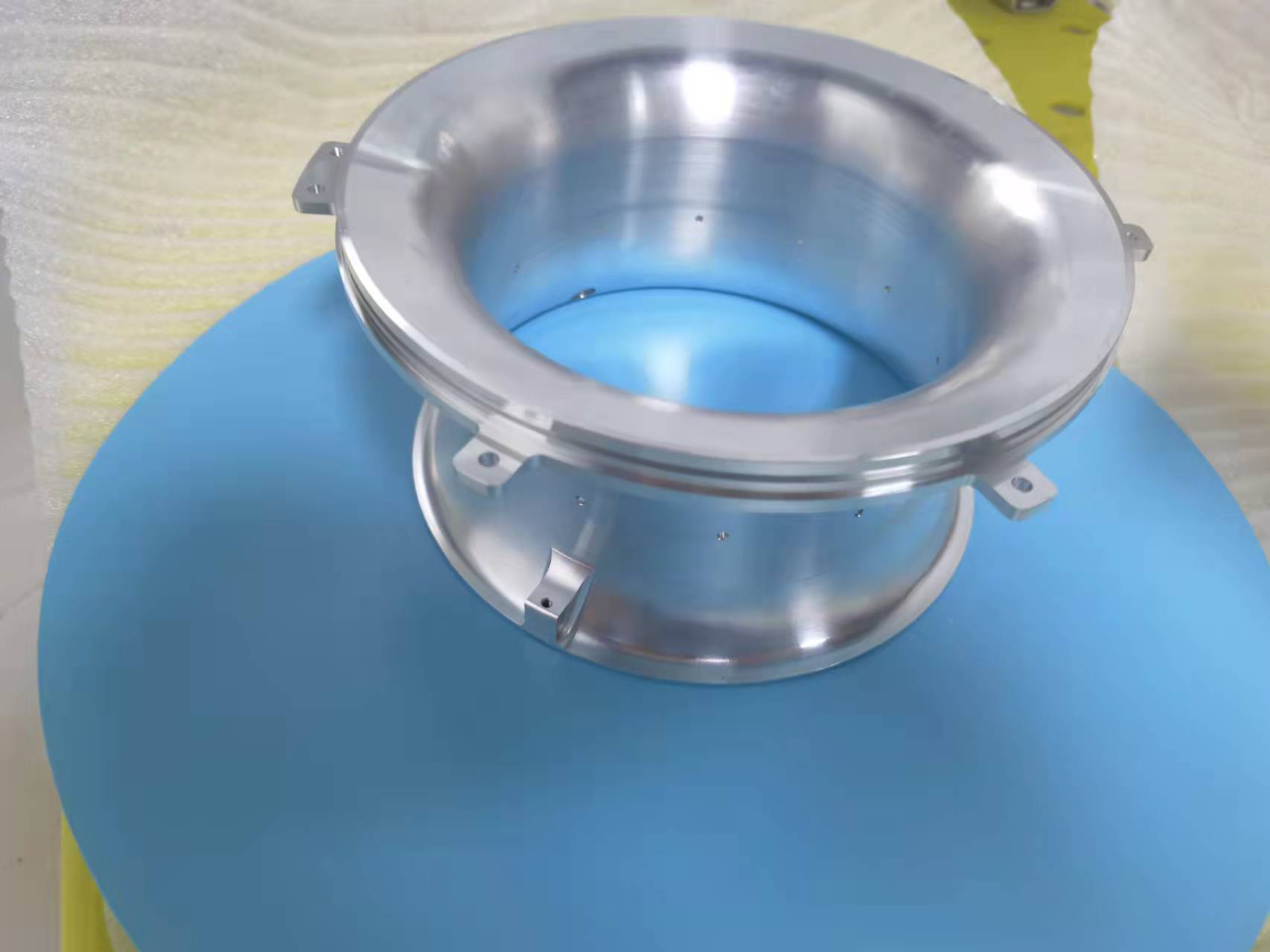
Aerospace CNC Aluminum Parts: Precision Manufacturing for High-Performance Aviation Components
The aerospace industry demands the highest levels of precision, reliability, and performance. Aerospace CNC aluminum parts play a crucial role in modern aircraft systems, satellites, drones, and space exploration equipment.
Thanks to their excellent strength-to-weight ratio and corrosion resistance, aluminum alloys are widely used for aerospace components that require both durability and lightweight construction. With advanced CNC machining technology, manufacturers can produce complex aerospace parts with extremely tight tolerances and consistent quality.
Why Aluminum Is Ideal for Aerospace Components
Aluminum alloys are commonly used in aerospace manufacturing because they provide several key advantages:
- Lightweight structure that reduces aircraft weight
- High strength-to-weight ratio
- Excellent corrosion resistance
- Good thermal conductivity
- Outstanding machinability for complex components
Reducing weight is especially important in aerospace engineering because even small weight reductions can significantly improve fuel efficiency and aircraft performance.
Common Aluminum Alloys Used in Aerospace CNC Machining
Different aerospace applications require specific aluminum alloys, including:
7075-T6 Aluminum
Known for its exceptional strength and fatigue resistance, widely used in aircraft structural components.
6061-T6 Aluminum
Offers excellent machinability and corrosion resistance, commonly used for brackets, housings, and support structures.
2024 Aluminum Alloy
Frequently used in aircraft fuselage structures due to its high fatigue resistance.
Choosing the correct alloy ensures optimal performance under extreme operating conditions.
CNC Machining Capabilities for Aerospace Aluminum Parts
Manufacturing aerospace components requires advanced machining technology and strict quality standards.
Professional CNC machining providers typically offer:
- 3-axis, 4-axis, and 5-axis CNC machining centers
- High-precision milling and turning
- Thin-wall machining capability
- Tight tolerance control (±0.005–0.01 mm)
- Complex multi-surface machining
These capabilities allow manufacturers to produce intricate aerospace components while maintaining structural integrity and dimensional accuracy.
Surface Treatments for Aerospace Aluminum Parts
Surface finishing is essential for improving durability and corrosion resistance.
Common treatments include:
- Hard anodizing
- Chemical conversion coating
- Precision sandblasting
- Protective coatings
These finishing processes ensure aerospace parts can withstand harsh environments, including high temperatures, pressure fluctuations, and vibration.
Quality Control in Aerospace CNC Manufacturing
Quality assurance is critical in aerospace machining. Manufacturers implement strict inspection procedures such as:
- CMM dimensional inspection
- Surface roughness testing
- First article inspection (FAI)
- Material certification and traceability
Every aerospace component must meet strict engineering standards to guarantee safety and reliability.
Real Case Example
Case Study – CNC Machined Aluminum Brackets for Drone Navigation System
A drone manufacturer required lightweight aluminum brackets used in the navigation control system. The components needed high dimensional accuracy and excellent vibration resistance.
By using high-strength 7075 aluminum alloy and multi-axis CNC machining technology, the manufacturer achieved ±0.01 mm tolerance and improved component stability during flight operations. The optimized machining process also reduced material waste and improved overall production efficiency.
Applications of Aerospace CNC Aluminum Parts
Precision aluminum components are widely used in:
- Aircraft structural components
- Satellite equipment housings
- Drone and UAV components
- Aerospace sensor mounts
- Navigation system brackets
- Lightweight structural frames
These components must maintain performance even under extreme mechanical stress and environmental conditions.
Choosing the Right Aerospace CNC Aluminum Parts Manufacturer
Selecting a reliable aerospace machining partner requires evaluating several key factors:
- Experience with aerospace-grade materials
- Advanced CNC machining equipment
- Strict quality control systems
- Engineering support and technical expertise
- Proven reliability in precision manufacturing
A trusted supplier ensures aerospace parts meet performance requirements while maintaining consistent production quality.
Conclusion
Aerospace CNC aluminum parts are essential for modern aviation and space technology. With the combination of advanced CNC machining, aerospace-grade materials, and strict quality control, manufacturers can produce lightweight yet highly durable components that meet the demanding requirements of the aerospace industry.
For companies seeking high-precision aluminum components for aerospace applications, working with an experienced CNC machining partner ensures reliability, efficiency, and long-term production stability.
#AerospaceCNCMachining
#AerospaceAluminumParts
#CNCMachinedAerospaceParts
#PrecisionCNCMachining
#AluminumAerospaceComponents
#AircraftMachining