Book Appointment Now


CNC Machined Aluminum Housing: Precision Custom Manufacturing Guide
CNC machined aluminum housing provides a lightweight, durable and precision-engineered solution for protecting electronic, mechanical and industrial components. Custom aluminum housings can be manufactured from 6061-T6, 7075-T6 and other aluminum alloys with tight tolerances and various surface finishes.
Introduction
A CNC machined aluminum housing is an aluminum enclosure manufactured using precision CNC milling and machining processes. Unlike standard off-the-shelf enclosures, CNC machining allows manufacturers to produce custom dimensions, internal cavities, mounting holes, threaded features and complex geometries directly from customer CAD drawings.
Aluminum is widely selected for housings because of its excellent strength-to-weight ratio, corrosion resistance, machinability and thermal conductivity.
From electronic equipment and industrial controllers to aerospace and automotive components, CNC machined aluminum housings provide both structural protection and precise mechanical integration.
What Is a CNC Machined Aluminum Housing?

A CNC machined aluminum housing is typically produced from a solid aluminum block or billet. CNC machines remove material according to a digital CAD model until the required housing geometry is achieved.
Common features include:
- Internal cavities and pockets
- Precision mounting holes
- Threaded holes
- Connector openings
- Sealing grooves
- Counterbores and countersinks
- Heat dissipation structures
- Custom logos and markings
This manufacturing method is ideal for applications requiring high dimensional accuracy and customized designs.
Best Aluminum Materials for CNC Housing
6061-T6 Aluminum
6061-T6 is one of the most widely used materials for CNC machined aluminum housings. It provides a good balance of strength, machinability, corrosion resistance and surface finishing performance.
It is suitable for electronics, industrial equipment, automation components and general mechanical applications.
7075-T6 Aluminum
7075-T6 aluminum offers higher strength than 6061-T6 while maintaining a relatively low weight.
It is commonly considered for aerospace, high-performance automotive and demanding mechanical applications where strength-to-weight ratio is important.
Other Aluminum Alloys
Depending on the application, other aluminum alloys can also be considered based on requirements for strength, corrosion resistance, thermal performance, machinability and cost.
CNC Machining Process for Aluminum Housing
A typical CNC machined aluminum housing manufacturing process includes:
1. CAD and Engineering Review
The 3D CAD model and 2D engineering drawings are reviewed to identify critical dimensions, tolerances, wall thicknesses, threads and machining requirements.
2. CNC Milling
3-axis, 4-axis or 5-axis CNC machining can be selected according to the housing geometry.
Complex housings with multiple surfaces and difficult-to-reach features may benefit from 5-axis CNC machining, which can reduce setups and improve dimensional consistency.
3. Drilling and Threading
Precision holes, threaded holes and mounting features are machined according to the engineering drawing.
4. Deburring
Machined edges and burrs are removed to improve safety, appearance and assembly performance.
5. Surface Finishing
CNC machined aluminum housings can be anodized, hard anodized, Alodine treated, powder coated, brushed, polished or sandblasted according to application requirements.
6. Inspection
Critical dimensions can be inspected using CMM equipment and other precision measuring instruments before shipment.
CNC Aluminum Housing Tolerances
The required tolerance depends on the housing size, material, geometry and application.
For precision components, critical dimensions may be controlled to approximately ±0.01 mm, depending on the specific design and manufacturing conditions.
Important inspection requirements may include:
- Dimensional tolerance
- Hole diameter
- Hole position
- Flatness
- Parallelism
- Perpendicularity
- Thread dimensions
- Surface roughness
For aerospace, medical and other highly regulated applications, GD&T requirements should be clearly defined on the engineering drawing.
Surface Finishes for CNC Machined Aluminum Housing
Surface treatment can improve the appearance, corrosion resistance and functional performance of an aluminum housing.
Common options include:
Anodizing
Provides corrosion resistance, wear resistance and a durable surface.
Hard Anodizing
Provides a harder surface for applications requiring improved wear resistance.
Alodine / Chromate Conversion Coating
Provides corrosion protection while maintaining electrical conductivity, making it suitable for certain aerospace and electronic applications.
Powder Coating
Provides a durable protective coating and a wide range of appearance options.
Brushing and Polishing
Used when a specific decorative or visual finish is required.
Applications of CNC Machined Aluminum Housing
Electronics
Custom aluminum housings can protect PCBs, sensors, controllers, communication equipment and other electronic components.
Aerospace
Lightweight aluminum housings are used for aerospace electronics, instruments and mechanical systems where weight and precision are critical.
Automotive
CNC machined aluminum housings can be used for sensors, control modules, motors and other automotive components.
Industrial Equipment
Industrial automation equipment, controllers, pumps and machinery often require custom housings with precision mounting and sealing features.
Medical Equipment
Precision aluminum housings can be used for medical instruments and equipment requiring accurate dimensions, clean surfaces and reliable mechanical assembly.
Why Choose CNC Machined Aluminum Housing?
CNC machining offers several advantages for custom aluminum housings:
- High dimensional accuracy
- Excellent repeatability
- Complex geometry capability
- Lightweight construction
- Good thermal conductivity
- Multiple surface finishing options
- Suitable for prototypes and production
- Easy customization from CAD drawings
For projects requiring complex internal structures or tight tolerances, CNC machining provides significantly more design flexibility than standard aluminum enclosures.
Custom CNC Machined Aluminum Housing Manufacturer
Choosing the right manufacturer is important when producing precision aluminum housings.
A capable CNC machining supplier should provide:
- CNC milling and machining capabilities
- 3-axis, 4-axis and 5-axis machining
- Aluminum alloy material options
- Precision dimensional inspection
- Surface finishing services
- Prototype and mass production
- Engineering support
- Quality control documentation
For demanding applications, customers should also consider the manufacturer’s quality certifications, inspection equipment and experience with similar components.
CNC Machined Aluminum Housing Case Study
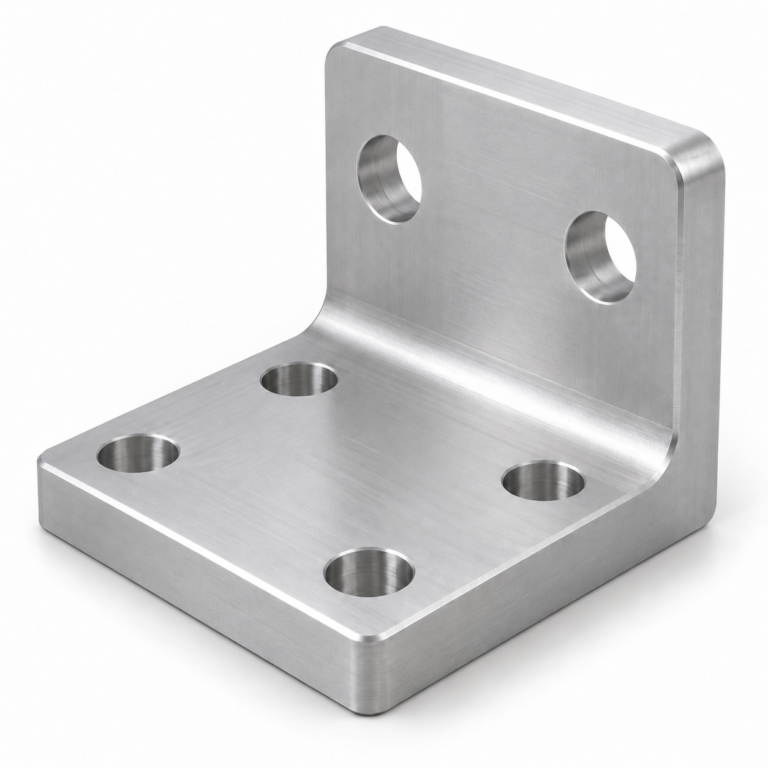
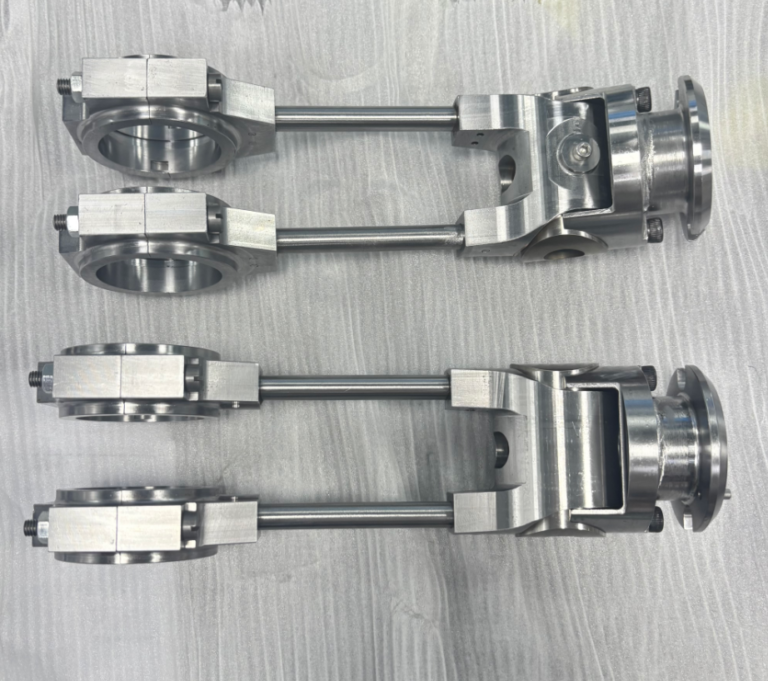
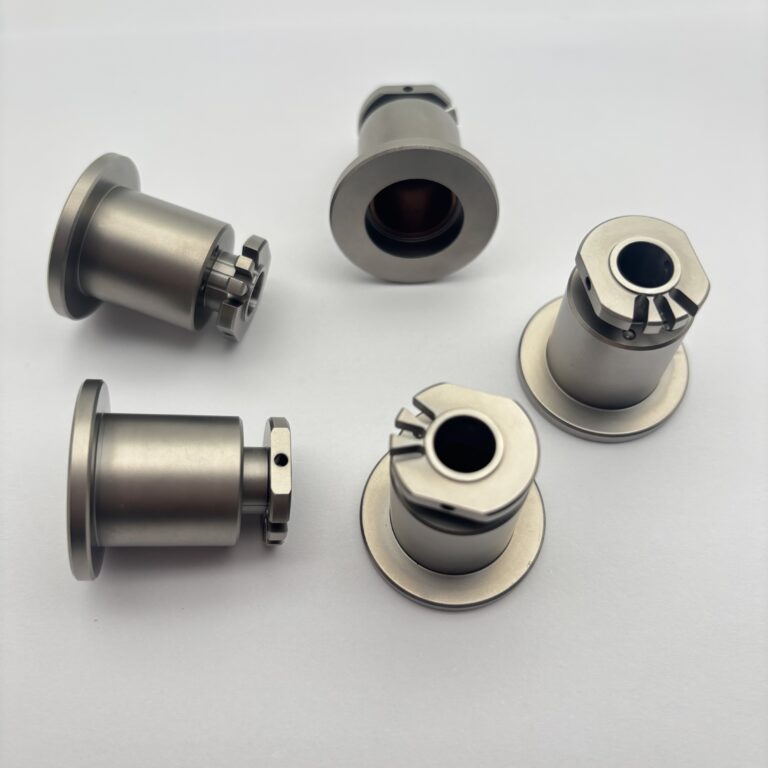
A customer required a custom aluminum housing for industrial electronic equipment. The design included multiple internal pockets, precision mounting holes, threaded holes and a sealing groove.
The housing was manufactured from 6061-T6 aluminum using CNC machining. After machining, the parts were deburred, surface treated and inspected for critical dimensions.
The final CNC machined aluminum housings were supplied for integration into the customer’s industrial equipment.
How Much Does CNC Machined Aluminum Housing Cost?
The cost of a CNC machined aluminum housing depends on:
- Material and material price
- Overall dimensions
- Machining complexity
- Number of machining setups
- Required tolerances
- Surface treatment
- Inspection requirements
- Production quantity
For an accurate quotation, customers should provide a 3D CAD file, 2D drawing, material specification, surface finish and required quantity.
Conclusion
A CNC machined aluminum housing combines lightweight construction, precision machining and flexible customization, making it suitable for electronics, aerospace, automotive, medical and industrial applications.
From 6061-T6 aluminum housings for electronic equipment to high-strength 7075-T6 housings for aerospace applications, CNC machining can produce complex components according to specific engineering requirements.
Working with an experienced custom aluminum housing manufacturer can help ensure consistent quality, accurate dimensions and reliable production from prototype to volume manufacturing.
FAQ
What is the best aluminum for CNC machined housing?
6061-T6 is a popular choice because of its good machinability, strength, corrosion resistance and cost balance. 7075-T6 is suitable when higher mechanical strength is required.
Can CNC machined aluminum housing be anodized?
Yes. CNC machined aluminum housings can be anodized in different colors and specifications to improve corrosion resistance, wear resistance and appearance.
Can you manufacture aluminum housings from CAD drawings?
Yes. Custom CNC machined aluminum housings can be manufactured directly from 3D CAD models and 2D engineering drawings.
What industries use CNC machined aluminum housings?
Common applications include electronics, aerospace, automotive, medical equipment, industrial automation, communication equipment and machinery.
What files are required for a quotation?
A 3D CAD model, 2D engineering drawing, material, surface finish, tolerance requirements and estimated order quantity are recommended for quotation.
Review our CNC aluminum milling and turning capabilities and custom CNC aluminum housings and covers. Send your housing drawing for a quote with alloy, tolerance and finish requirements.
Compare CNC aluminum electronics housings, custom mounting housings and finned housing machining requirements.