Book Appointment Now

Automotive Aluminum Machining Parts: Precision CNC Solutions for the Modern Auto Industry
Introduction
The automotive industry is rapidly evolving toward lightweight, high-performance, and energy-efficient vehicles. One of the most important manufacturing technologies supporting this transformation is automotive aluminum machining parts production. From engine components to EV battery housings, CNC-machined aluminum parts are widely used because of their excellent strength-to-weight ratio, corrosion resistance, and machinability.
In this article, we will explore the advantages of automotive aluminum machining, common applications, materials, machining processes, and how to choose the right CNC machining supplier for automotive projects.
What Are Automotive Aluminum Machining Parts?
Automotive aluminum machining parts are precision-engineered components manufactured from aluminum alloys using CNC machining processes such as:
- CNC milling
- CNC turning
- 5-axis machining
- Drilling and tapping
- Surface finishing
These parts are commonly used in:
- Engine systems
- Transmission housings
- Suspension components
- EV battery enclosures
- Automotive heat sinks
- Brake system components
- Turbocharger housings
- Steering assemblies
Because aluminum is lightweight and durable, it has become one of the most important materials in modern vehicle manufacturing.
Why Aluminum Is Widely Used in Automotive Manufacturing
1. Lightweight Performance
Reducing vehicle weight improves:
- Fuel efficiency
- Battery range in electric vehicles
- Vehicle acceleration
- Overall performance
Aluminum weighs about one-third of steel while maintaining excellent structural strength.
2. Excellent Machinability
Aluminum alloys are easier to machine compared to stainless steel or titanium. This allows:
- Faster CNC machining cycles
- Lower manufacturing costs
- Better surface finishes
- Tight tolerance control
3. Corrosion Resistance
Automotive aluminum parts naturally resist corrosion, especially after anodizing or coating treatments.
4. High Thermal Conductivity
Aluminum efficiently dissipates heat, making it ideal for:
- EV battery cooling systems
- Automotive heat sinks
- Engine cooling components
Common Automotive Aluminum Machining Parts
Engine Components
Precision-machined aluminum engine parts include:
- Cylinder heads
- Intake manifolds
- Oil pump housings
- Timing covers
EV Battery Housing Components
Electric vehicles require lightweight and thermally stable battery enclosures manufactured through CNC aluminum machining.
Suspension and Steering Parts
Automotive suspension systems often use machined aluminum components for reduced weight and improved handling.
Automotive Heat Sinks
Heat management systems rely heavily on aluminum due to its thermal conductivity.
Turbocharger and Performance Parts
High-performance automotive applications use CNC-machined aluminum for:
- Turbo housings
- Intercooler components
- Custom racing parts
Popular Aluminum Grades for Automotive CNC Machining
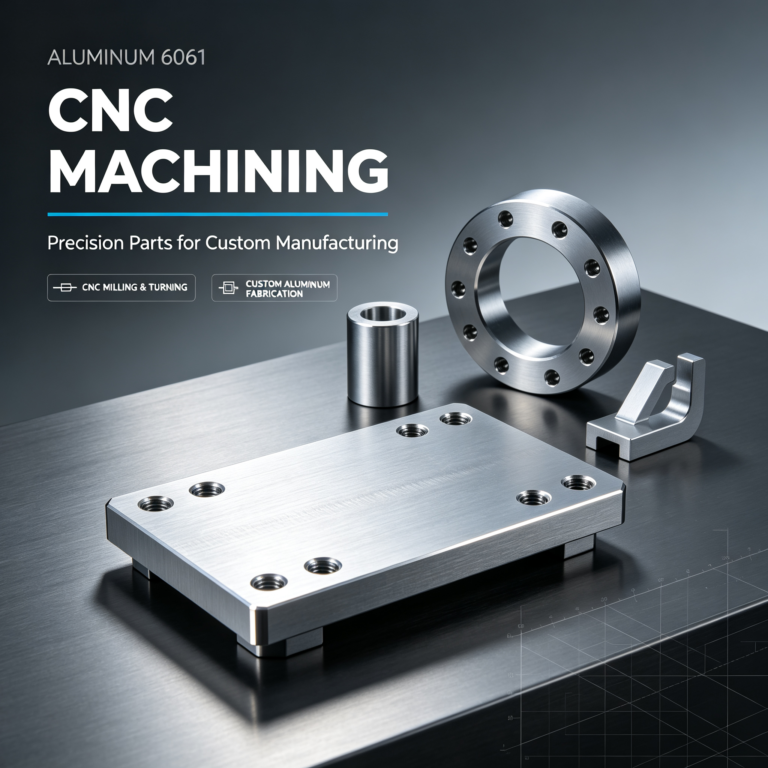
Aluminum 6061
One of the most commonly used alloys because of:
- Excellent machinability
- Good corrosion resistance
- Balanced strength
Applications:
- Automotive brackets
- Structural components
- Housings
Aluminum 7075
Known for high strength and durability.
Applications:
- Racing components
- High-performance automotive parts
Aluminum 5052
Offers strong corrosion resistance.
Applications:
- Battery enclosures
- Sheet metal automotive components
Aluminum 2024
Commonly used in aerospace and high-performance automotive applications requiring superior fatigue resistance.
CNC Machining Processes for Automotive Aluminum Parts
CNC Milling
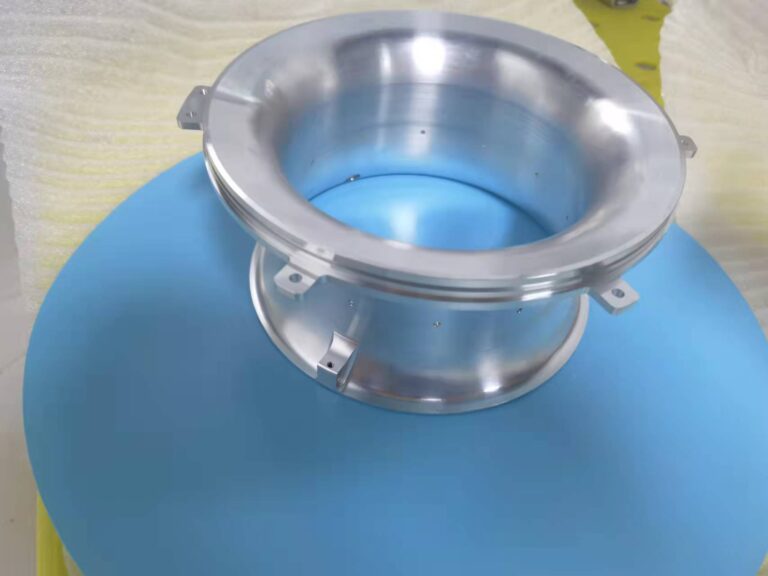
CNC milling is used to create complex geometries and precision surfaces for automotive components.
CNC Turning
Ideal for cylindrical automotive parts such as:
- Bushings
- Shafts
- Connectors
5-Axis CNC Machining
5-axis machining enables:
- Complex part geometries
- Reduced setup time
- High precision
- Better surface quality
This is especially important for high-performance automotive and EV applications.
Surface Finishing Options
Automotive aluminum machining parts often require additional finishing processes:
| Surface Finish | Benefits |
|---|---|
| Anodizing | Corrosion resistance and improved appearance |
| Powder Coating | Enhanced durability |
| Sandblasting | Uniform surface texture |
| Polishing | Decorative finish |
| Chromate Conversion | Conductivity and corrosion protection |
Advantages of CNC Automotive Aluminum Machining
High Precision
Modern CNC machining can achieve tolerances as tight as ±0.01 mm.
Rapid Prototyping
Automotive manufacturers can quickly test new designs before mass production.
Consistent Quality
CNC automation ensures stable quality across large production volumes.
Custom Manufacturing Flexibility
CNC machining supports:
- Low-volume production
- High-mix manufacturing
- OEM custom parts
- Prototype development
Automotive Aluminum Machining for Electric Vehicles
The rise of EV manufacturing has dramatically increased demand for precision aluminum components.
Typical EV aluminum machining parts include:
- Battery trays
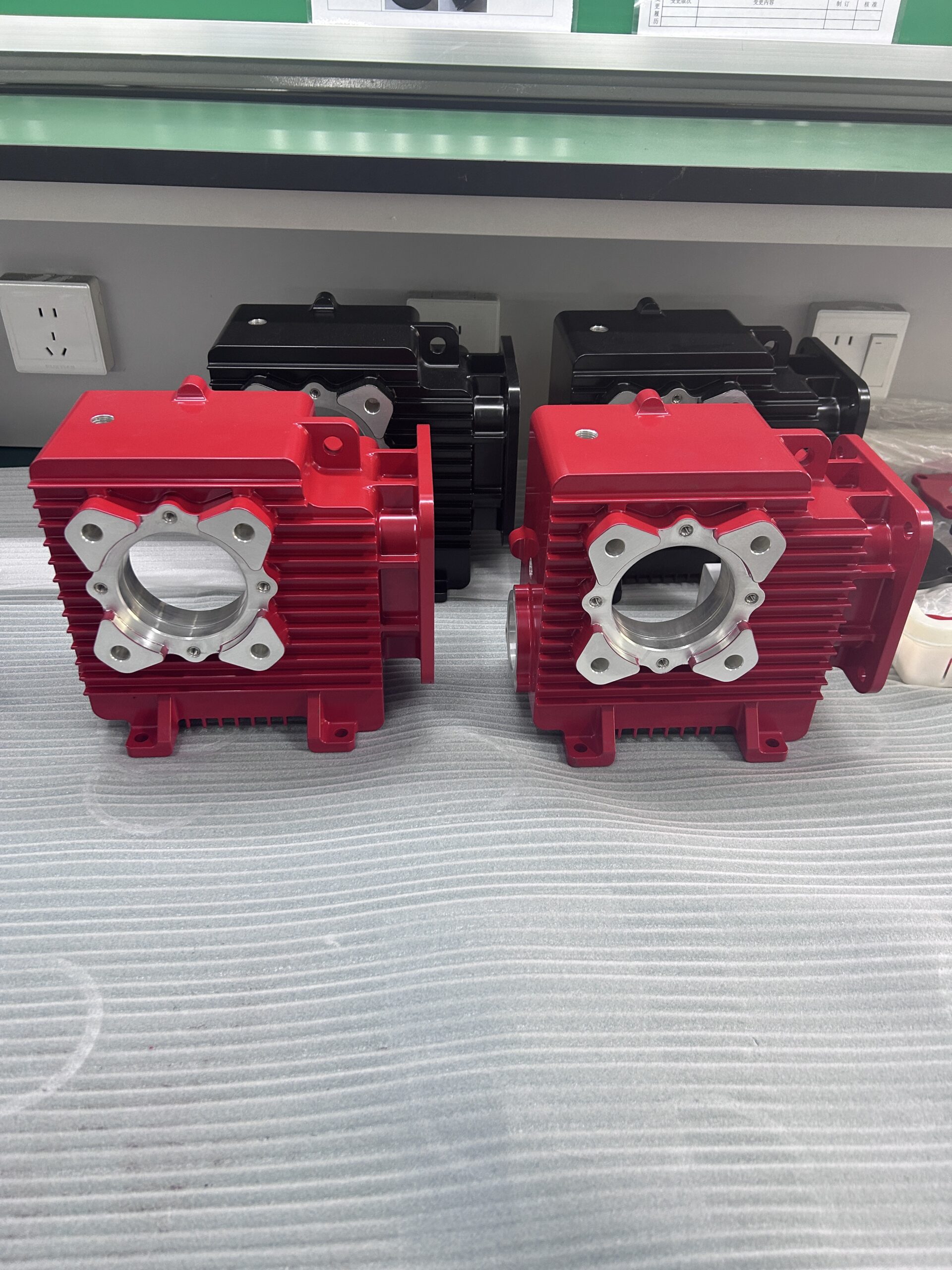
- Motor housings
- Cooling plates
- Inverter enclosures
- Lightweight chassis components
As electric vehicle production continues growing, CNC aluminum machining services are becoming increasingly critical for automotive suppliers worldwide.
How to Choose an Automotive Aluminum Machining Supplier
When selecting a CNC machining manufacturer, consider:
Manufacturing Capabilities
Look for suppliers offering:
- 3-axis and 5-axis CNC machining
- Tight tolerance machining
- High-volume production
- Custom prototyping
Material Expertise
An experienced supplier should understand automotive-grade aluminum alloys and their machining characteristics.
Quality Control
Reliable manufacturers provide:
- CMM inspection
- Material certifications
- Dimensional reports
- ISO quality management systems
Surface Treatment Support
A complete supplier can provide anodizing, coating, polishing, and assembly services.
Real Case: Precision Aluminum EV Housing Project
A European EV customer required lightweight aluminum battery housing components with complex internal cavities and strict flatness requirements.
Using 5-axis CNC machining and precision inspection systems, the project achieved:
- ±0.02 mm tolerance control
- Reduced component weight by 18%
- Faster assembly efficiency
- Improved thermal management performance
This demonstrates how advanced automotive aluminum machining can directly improve vehicle efficiency and production quality.
Future Trends in Automotive Aluminum Machining
The future automotive industry will continue moving toward:
- Lightweight vehicle structures
- Electric vehicle production
- High-efficiency manufacturing
- Smart CNC automation
- Sustainable materials
As a result, demand for high-precision automotive aluminum machining parts will continue to grow globally.
Conclusion
Automotive aluminum machining parts play a vital role in modern vehicle manufacturing. Their lightweight properties, excellent machinability, corrosion resistance, and high precision make aluminum components ideal for both traditional and electric vehicles.
Whether for engine systems, EV battery housings, or high-performance racing components, CNC aluminum machining delivers the precision and reliability required by today’s automotive industry.
If you are looking for a trusted CNC machining supplier for custom automotive aluminum parts, choosing an experienced manufacturer with advanced machining capabilities and strict quality control is essential for long-term success.
- automotive aluminum machining parts
- automotive CNC machining
- CNC aluminum auto parts
- aluminum automotive components
- precision automotive machining
- custom automotive aluminum machining parts
- CNC machined aluminum auto components
- automotive aluminum parts manufacturer
- precision CNC machining for automotive industry
- EV aluminum battery housing machining
- 5-axis automotive aluminum machining services
- lightweight aluminum automotive parts
- CNC machining aluminum engine components