Book Appointment Now


Custom Aluminum Parts Supplier: RFQ and Evaluation Guide
Evaluate a custom aluminum parts supplier using a complete RFQ, comparable quotations, material and finishing requirements, sample approval and inspection documentation. This practical guide helps buyers prepare drawing-based enquiries for CNC machined aluminum housings, covers and mounting components.
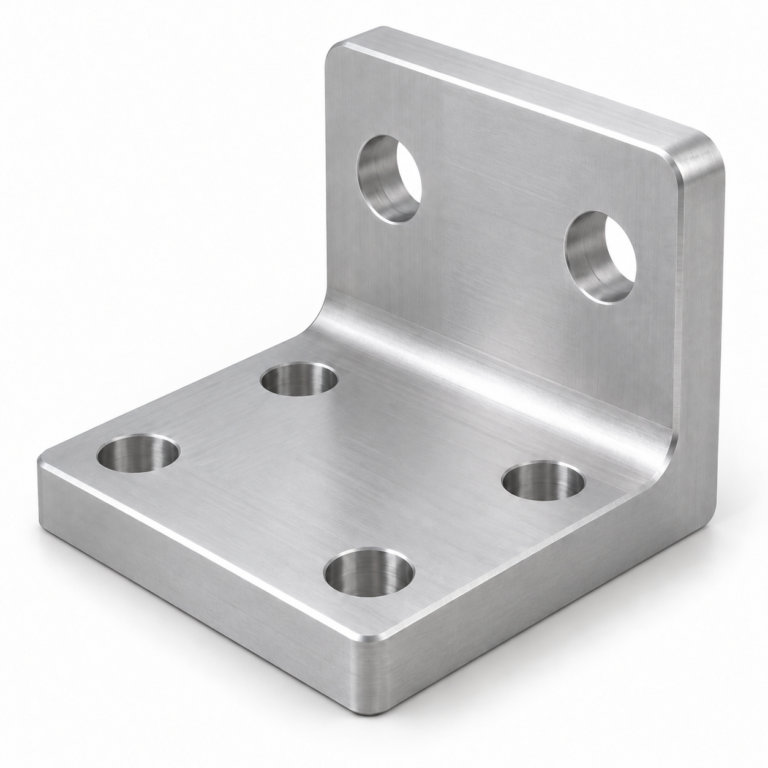
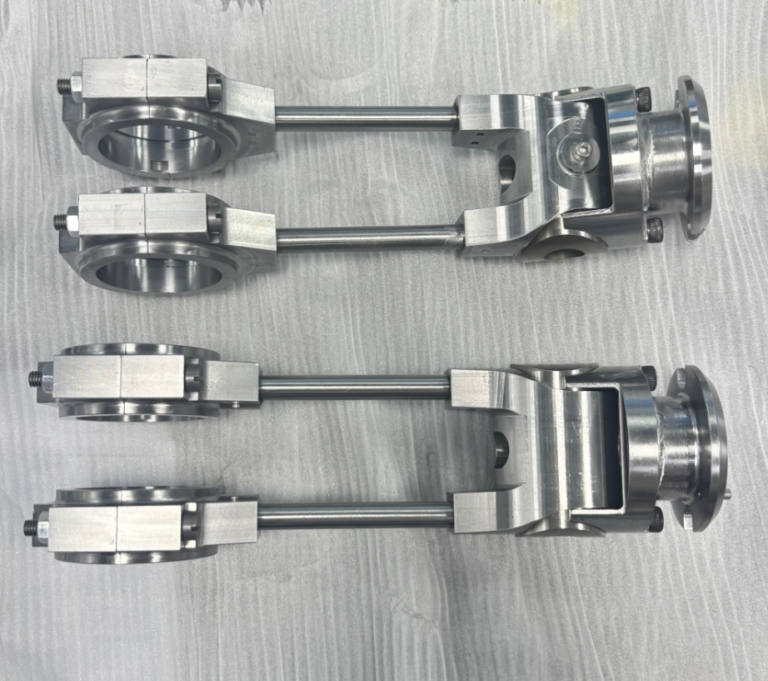
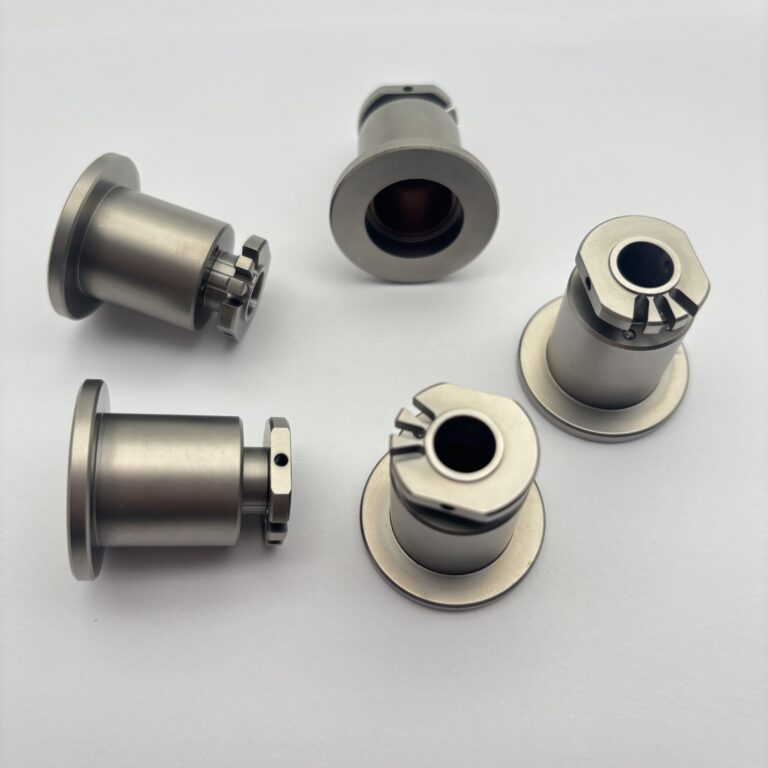
Choosing a custom aluminum parts supplier requires a review of the drawing, quotation scope and acceptance criteria. Buyers need a partner who can explain the proposed manufacturing route and inspection plan. Browse our CNC aluminum parts for component examples, and use the RFQ checklist below to prepare your enquiry.
Build a Complete Aluminum Parts RFQ
Send a revision-controlled drawing and a matching 3D model where available. Include the part number, required aluminum alloy and temper, quantity, surface finish, delivery destination and requested schedule. Identify dimensions, threads and mating surfaces that influence assembly. If a detail is undecided, label it as an open question rather than allowing each supplier to make a different assumption.
Separate prototype quantity from expected repeat orders. A supplier may need a different holding method or inspection plan for repeated batches than for a development sample. Ask for these stages to be quoted clearly, including any approved changes that would be needed when moving from samples to production.
Evaluate Drawing Review and Manufacturing Feedback
A useful supplier response identifies features requiring discussion. These might include tool access into a pocket, a thin wall, an unspecified thread, or a finish requirement that affects a fitted interface. Ask the team to explain the proposed solution and its effect on function, price and delivery. Approve any drawing change before manufacture.
For aluminum housings, covers, brackets and mounting components, the review should connect geometry to a practical milling, turning or multi-axis machining route. A broad claim of precision is less useful than a clear response to the actual locating surfaces and critical dimensions on your drawing.
Compare Quotations on the Same Scope
Check whether each offer covers the same alloy and temper, drawing revision, quantity and finish. Confirm whether material documentation, inspection reports, protective packaging and delivery are included. Identify any setup charge, minimum order condition or operation that is excluded. A lower headline unit price may reflect a different scope.
Record assumptions in the quotation review. If one supplier prices the part before finishing and another prices the finished component, resolve the difference before comparing costs. Ask how an approved revision, quantity change or additional inspection requirement will be handled after the order is placed.
Review Material and Finishing Controls
Ask how the specified aluminum material will be identified and what documentation can be supplied. If traceability is required, agree the level of identification needed for the order. Do not substitute an alloy or temper without design approval, even when the alternative is described as stronger or readily available.
For anodizing or another surface treatment, confirm appearance requirements, protected surfaces and the stage at which critical dimensions will be accepted. Ask who coordinates the finishing operation and how dimensional or cosmetic issues are addressed. The purchase specification should make the finished-part requirement clear.
Agree Sample Approval and Repeat-Order Checks
Define the purpose of the first sample: dimensional verification, assembly review, appearance approval or another agreed check. List the required evidence and the person responsible for approval. A sample that fits one test fixture does not automatically establish that every drawing requirement has been verified.
Before repeat production, confirm the approved revision, inspection requirements and packaging method. Ask how the supplier manages changes to material, process or finishing that could affect the accepted component. Record how nonconforming parts will be identified and reviewed, including whether rework requires customer approval.
Assess Communication and Delivery Planning
Request a schedule based on drawing review, material availability, machining, finishing and inspection. If your assembly date is fixed, explain the dependency and ask what information must be approved to support the plan. Delivery commitments should be confirmed for the specific project rather than inferred from a general website claim.
Establish one route for technical questions and drawing revisions. Keep approved files and decisions together so the purchasing team and supplier work from the same requirements. This is especially useful when several similar aluminum parts belong to one assembly but have different tolerances or finishes.
Illustrative Machining Scenario
Consider a hypothetical buyer sourcing an aluminum cover for an industrial electronic enclosure. The cover needs aligned mounting holes, a defined mating face and a consistent exterior finish. One quotation might exclude finishing and inspection documentation, while another includes both. The initial prices would therefore be difficult to compare directly.
The buyer could issue a common revision, identify the critical mating features and request the same finishing and report scope from both suppliers. A proposed sample would then be reviewed for dimensions, assembly and appearance before a repeat order. This illustrates a purchasing process; it does not describe a completed customer project or a measured saving.
Frequently Asked Questions
What should I send if the drawing is incomplete?
Share the available model, intended function and known dimensions. Mark unresolved items and request a review. Manufacturing should begin only after the required specification and acceptance conditions are agreed.
Does a supplier need five-axis machining for every aluminum part?
The route depends on the geometry and access required. Ask why the proposed process suits your part and how critical features will be controlled. Equipment capability should support the drawing review.
Can prototype lead time be used for a repeat order?
Confirm a separate schedule. Quantity, material, finishing and inspection scope may differ between stages and must be reviewed for each order.
Request a Drawing-Based Aluminum Parts Quote
HKAA supports custom aluminum components made to customer drawings. Review our CNC aluminum machining capabilities and aluminum parts catalogue, then send your aluminium parts enquiry with the drawing revision, alloy, quantity, finish and inspection requirements.