Book Appointment Now

Aerospace Aluminum Components Machining: Precision CNC Solutions for Lightweight Aircraft Parts
Aerospace aluminum components machining delivers lightweight, high-strength, and precision-engineered parts for aviation applications. This article explains aerospace aluminum materials, CNC machining processes, applications, quality requirements, and manufacturing considerations for global aerospace suppliers.
Introduction
The aerospace industry continuously demands components that combine lightweight design, high strength, corrosion resistance, and exceptional dimensional accuracy. Aluminum alloys have become one of the most widely used materials in aerospace manufacturing due to their excellent strength-to-weight ratio and machining performance.
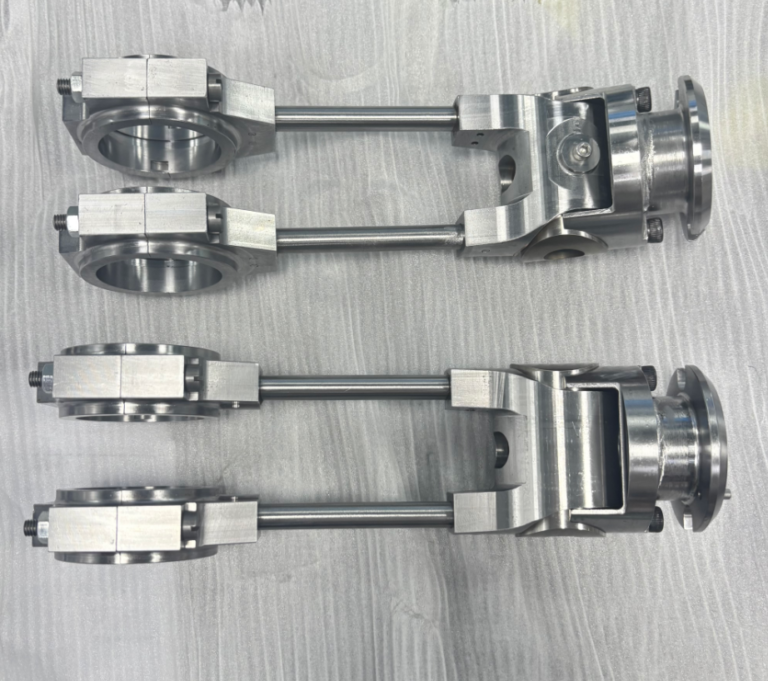
Aerospace aluminum components machining uses advanced CNC milling, turning, and 5-axis machining technologies to produce critical aircraft parts, structural components, and precision assemblies.
For aerospace manufacturers and engineering companies, choosing an experienced CNC machining partner is essential to achieve consistent quality, reliable performance, and cost-effective production.
Why Aluminum Is Widely Used for Aerospace Components?
Aluminum alloys offer several advantages that make them ideal for aerospace applications.
Lightweight Performance
Reducing aircraft weight directly improves fuel efficiency and overall performance. Aluminum provides high mechanical strength while maintaining a lower density compared with many aerospace metals.
Excellent Machinability
Compared with titanium and other high-performance alloys, aluminum is easier to machine, allowing:
- Faster CNC processing
- Lower tooling costs
- Complex component production
- Improved surface finishes
Corrosion Resistance
Aerospace aluminum components can be enhanced through surface treatments such as anodizing and Alodine coating, improving durability in harsh operating environments.
Common Aerospace Aluminum Materials
6061-T6 Aluminum
6061 aluminum is widely used for aerospace and industrial components because of its balanced strength, corrosion resistance, and machinability.
Typical applications:
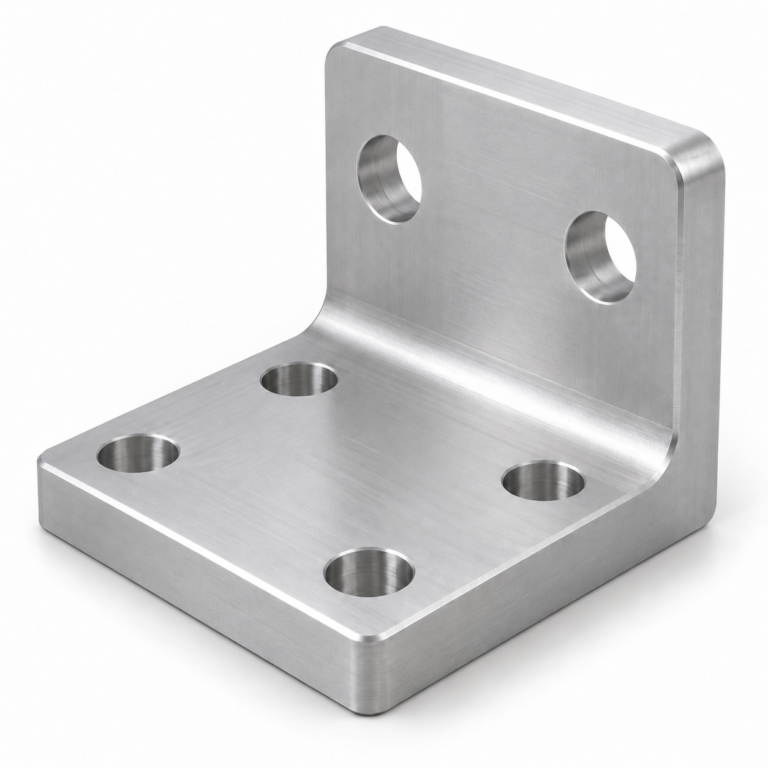
- Aircraft brackets
- Structural supports
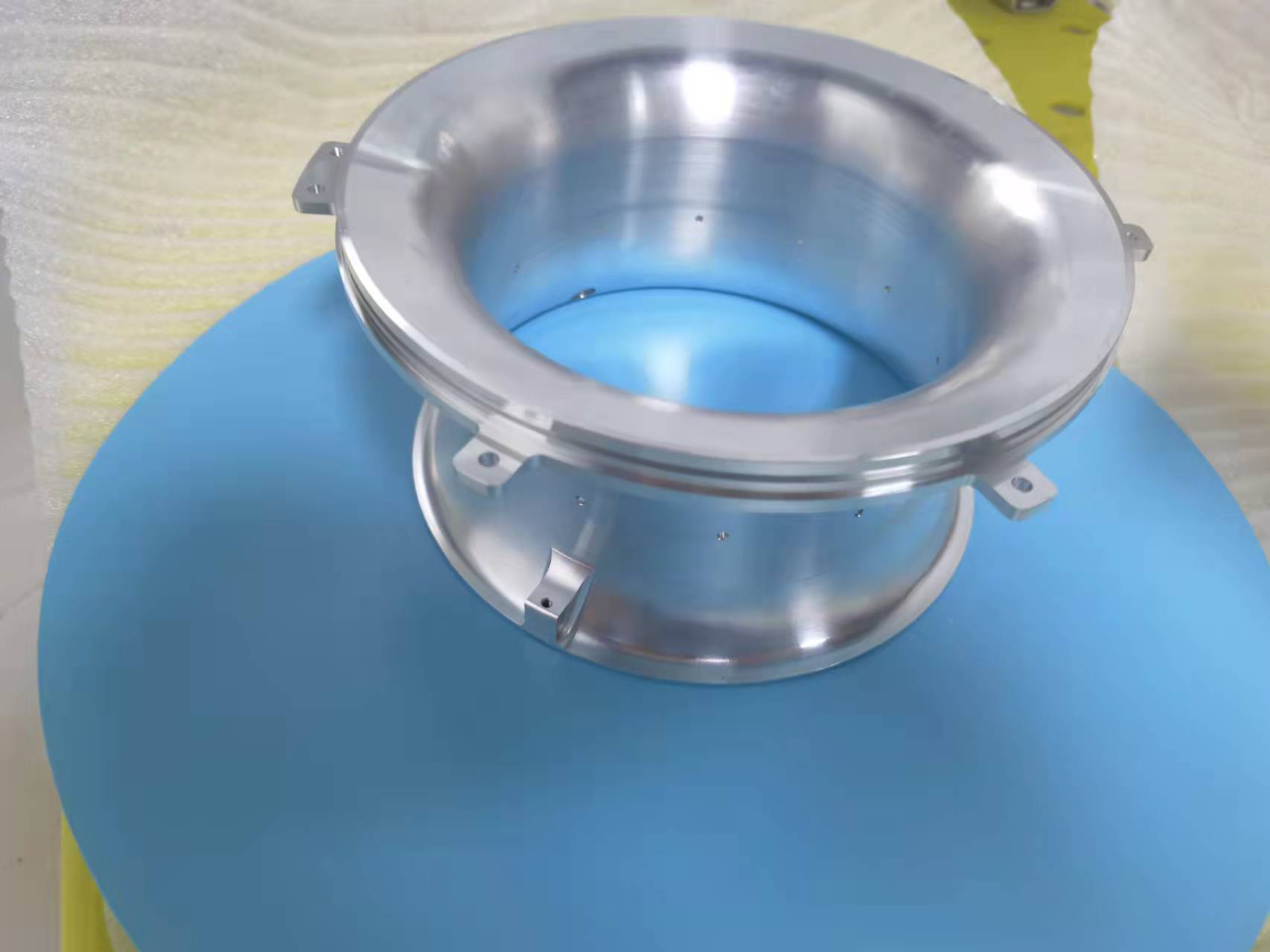
- Equipment housings
- UAV components
7075-T6 Aluminum
7075-T6 is a high-strength aluminum alloy commonly used for demanding aerospace applications.
Advantages:
- Extremely high tensile strength
- Excellent fatigue resistance
- Lightweight structure
Applications:
- Aircraft structural parts
- Wing components
- Aerospace fixtures
- High-load mechanical components
7050 Aluminum
7050 aluminum provides improved stress corrosion resistance and fatigue performance.
Applications:
- Aircraft frames
- Aerospace structural components
- Military aircraft parts
CNC Machining Processes for Aerospace Aluminum Components
5-Axis CNC Machining
5-axis machining is ideal for complex aerospace aluminum parts requiring multiple angled surfaces and precise geometries.
Benefits include:
- Reduced machining setups
- Improved accuracy
- Better surface quality
- Complex lightweight structures
Common parts:
- Aircraft brackets
- Aerospace housings
- Structural connectors
CNC Milling
High-speed CNC milling is widely used for producing aluminum aerospace components with tight tolerances.
Typical capabilities include:
- Complex pockets
- Thin-wall structures
- Precision holes
- Lightweight designs
CNC Turning
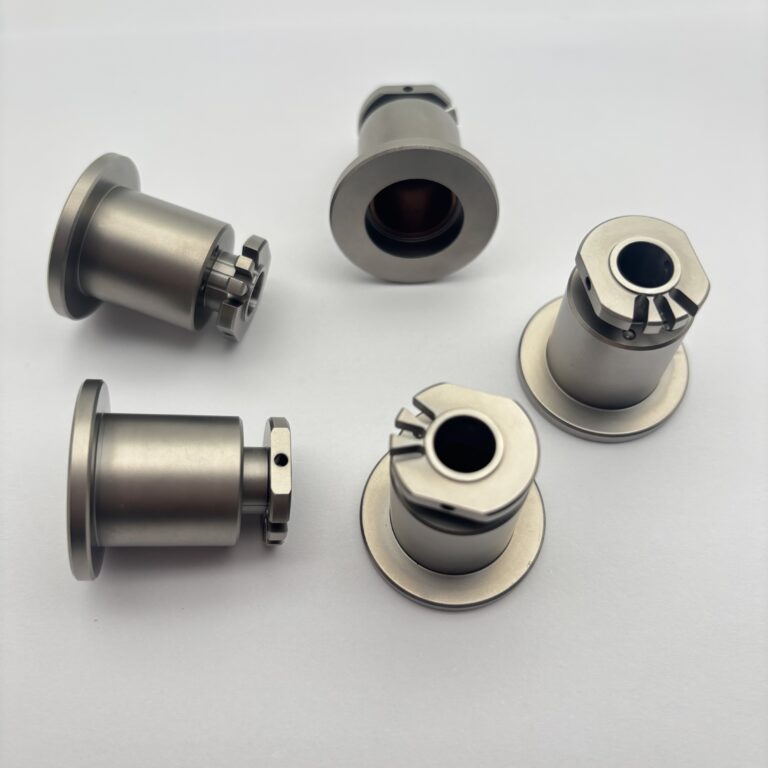
CNC turning is suitable for cylindrical aerospace aluminum components requiring excellent concentricity and dimensional stability.
Applications:
- Shafts
- Bushings
- Connectors
- Precision mechanical parts
Aerospace Aluminum Component Applications
Aircraft Structural Components
Aluminum CNC machining supports the production of:
- Aircraft brackets
- Frames
- Mounting components
- Structural supports
These parts require excellent strength and precise dimensional control.
UAV and Drone Components
With the rapid development of unmanned aircraft systems, lightweight aluminum components are widely used in:
- Drone frames
- Motor mounts
- Sensor brackets
- Electronic housings
Aerospace Electronics Enclosures
Precision-machined aluminum housings provide:
- Lightweight protection
- Heat dissipation
- Electromagnetic shielding capability
Applications include:
- Avionics systems
- Control units
- Communication equipment
Aerospace Aluminum Machining Requirements
Aerospace components require strict manufacturing control to guarantee safety and reliability.
Important requirements include:
Tight Machining Tolerances
Typical aerospace CNC machining tolerances:
- ±0.01mm precision capability
- Critical features controlled according to customer drawings
Advanced Inspection
Professional aerospace machining suppliers use:
- Coordinate Measuring Machines (CMM)
- Optical inspection equipment
- Surface roughness testing
- Material certification verification
Quality Management
Aerospace suppliers commonly require:
- AS9100 quality management system
- ISO 9001 certification
- First Article Inspection (FAI)
- Full dimensional inspection reports
Surface Treatments for Aerospace Aluminum Parts
To improve durability and performance, aerospace aluminum components often require additional finishing.
Common treatments include:
Anodizing
Provides:
- Improved corrosion resistance
- Enhanced surface hardness
- Better appearance
Alodine Conversion Coating
Alodine treatment provides corrosion protection while maintaining electrical conductivity, making it suitable for aerospace electronic components.
Hard Anodizing
Used for components requiring increased wear resistance and longer service life.
Aerospace Aluminum CNC Machining Case Study
A European aerospace equipment manufacturer required a lightweight aluminum housing component for an aircraft electronic control system.
Project Details:
- Material: 7075-T6 Aluminum
- Manufacturing Process: 5-axis CNC machining
- Surface Treatment: Alodine coating
- Tolerance Requirement: ±0.01mm
- Inspection Method: CMM dimensional inspection
The main challenge was maintaining dimensional stability during machining due to the thin-wall structure.
By optimizing cutting parameters, fixture design, and inspection procedures, the final aerospace aluminum components achieved the required precision and passed customer validation.
How to Choose an Aerospace Aluminum Machining Supplier?
When selecting an aerospace CNC machining partner, consider:
1. Aluminum Machining Experience
Experience with aerospace aluminum alloys ensures better process control and machining reliability.
2. Advanced CNC Equipment
5-axis machining centers and precision inspection equipment improve production capability.
3. Quality Control System
A qualified supplier should provide:
- Inspection reports
- Material certificates
- Process traceability
- Consistent production quality
4. Engineering Support
Experienced manufacturers can help optimize:
- Part design
- Material selection
- Machining processes
- Cost reduction
Conclusion
Aerospace aluminum components machining plays a critical role in producing lightweight and high-performance aircraft parts. Through advanced CNC machining technology, aerospace manufacturers can achieve complex geometries, tight tolerances, and reliable performance.
With expertise in aluminum CNC machining, precision inspection, and surface finishing, professional machining suppliers help aerospace companies develop safer, lighter, and more efficient aviation systems.
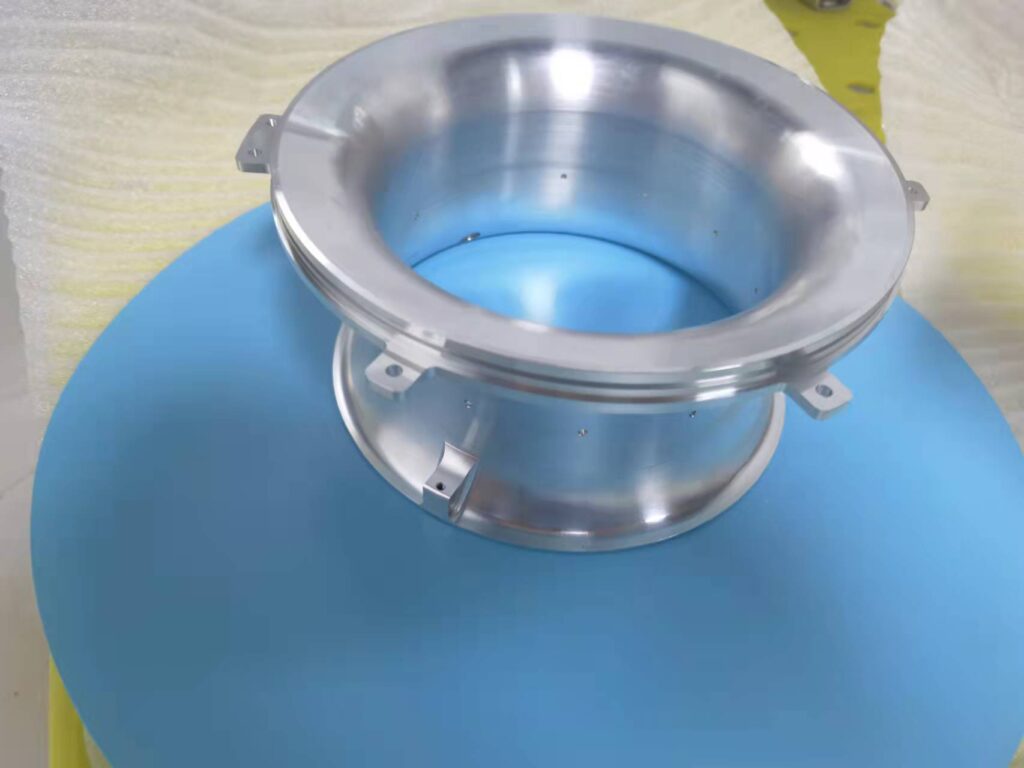
- aerospace aluminum components machining
- aerospace aluminum CNC machining
- aluminum aircraft parts machining
- 7075 aluminum aerospace components
- precision aerospace machining
- custom aluminum aerospace parts
- CNC machining aerospace components