Book Appointment Now

CNC Aluminum Machining Processes: Milling, Turning and Finishing
Compare CNC aluminum milling, turning and multi-axis machining, and learn how alloy, tolerances, finishing and inspection determine the manufacturing route.
Choosing a manufacturing route for custom aluminum parts starts with geometry, functional interfaces and inspection requirements. This guide explains when CNC milling, turning and multi-axis machining are useful, and how finishing affects the drawing.
When to Choose CNC Aluminum Milling
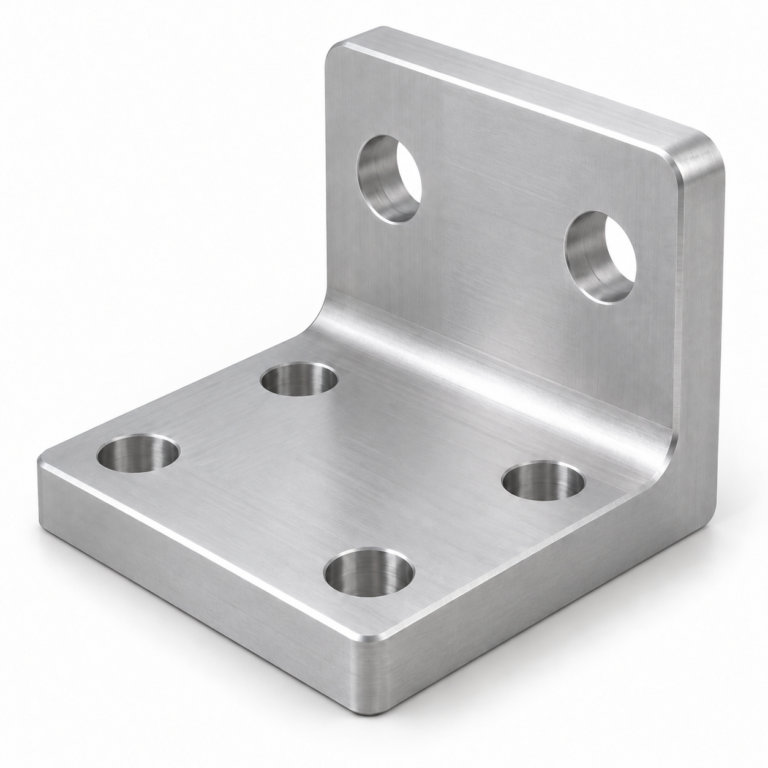
Milling suits housings, covers, plates and brackets with pockets, flat faces, slots and mounting-hole patterns. The cutter needs access to each feature, so deep pockets, internal corners and thin walls influence tool selection and workholding. Specify critical mating faces and hole positions using clear drawing datums.
When to Choose CNC Aluminum Turning
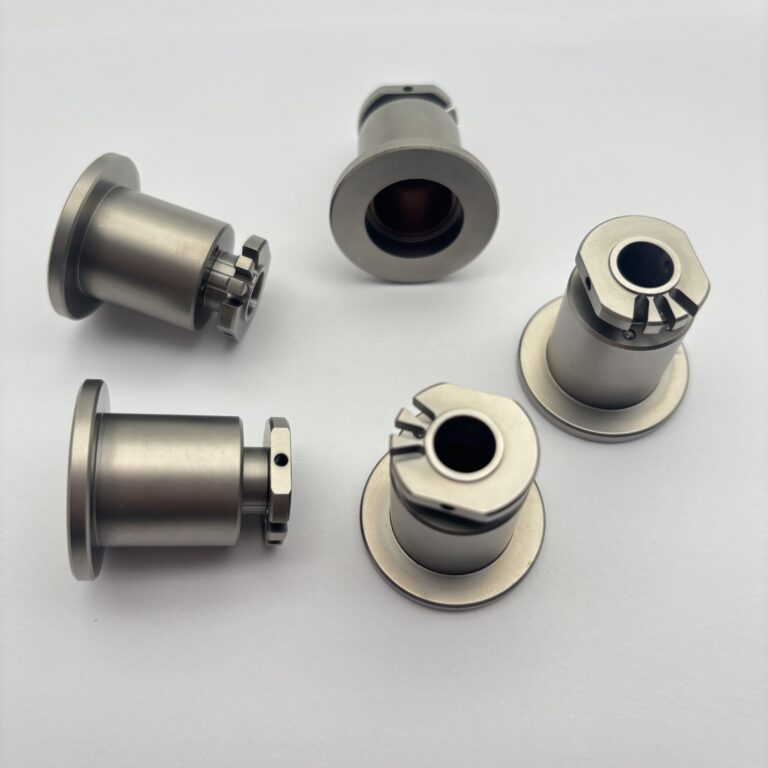
Turning is useful for rotational components such as sleeves, flanges and circular housings. Diameters, threads and relationships between cylindrical features should be defined on the drawing. Parts with off-axis holes or flats may need milling after turning. Review the full geometry rather than selecting a process from the outside shape alone.
When Multi-Axis Machining Helps
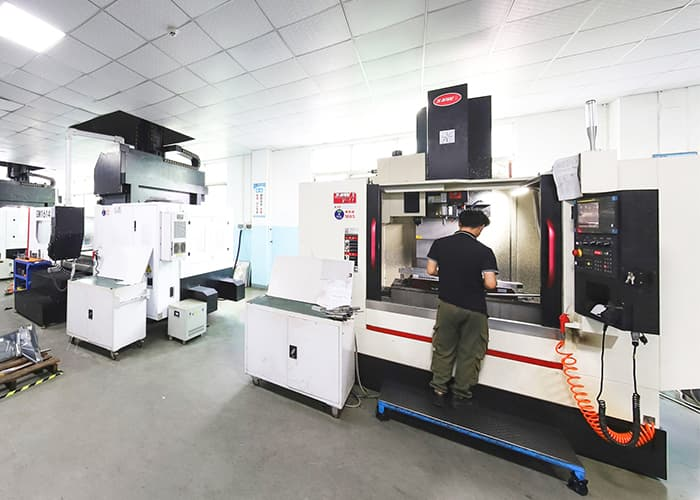
Multi-axis machining can provide access to angled holes, contoured surfaces and features on several faces. Fewer repositioning steps can help maintain relationships between interfaces, but the benefit depends on geometry, tooling and inspection. Simple components may be more economical with conventional milling or turning.
Choose Alloy and Temper Before Quotation
6061-T6 is commonly considered for machined aluminum housings and structural components. Other alloys, including 6063 and 7075, can be evaluated against the design. State the required grade and temper, operating conditions and appearance requirements. Material selection should reflect the complete application, including finishing and assembly.
Plan Surface Finishing and Inspection Together
Anodizing, sandblasting, polishing and other treatments can affect dimensions and appearance. Identify masked threads, grounding areas and precision mating surfaces. State whether critical dimensions apply before or after finishing, and agree the inspection method for important features.
Worked Example: An Aluminum Housing
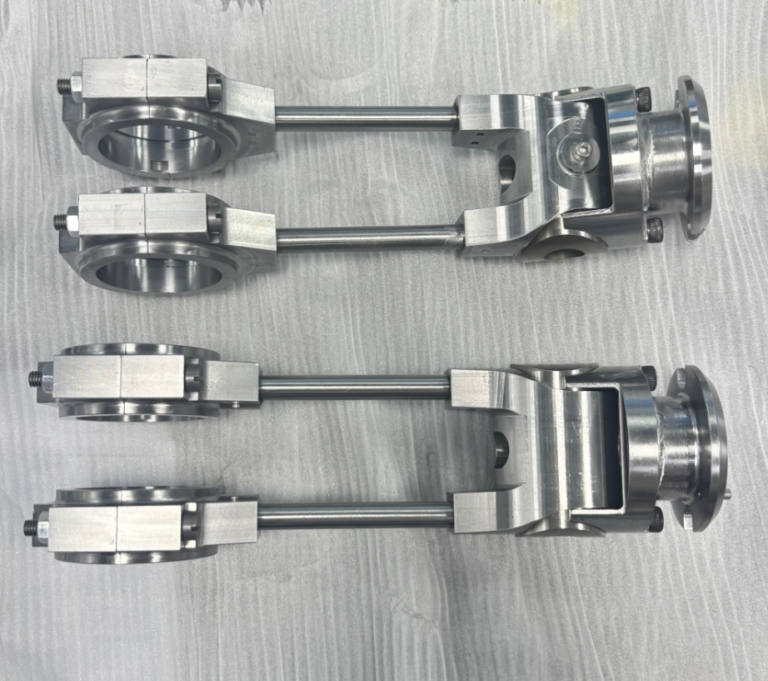
Consider a housing with an internal pocket, a circular locating bore and mounting holes on two faces. Milling may create the pocket and faces; bore machining and positional inspection establish the locating interface. Angled features may justify multi-axis machining. This is an illustrative process-planning example, and the final route requires a drawing review.
Prepare a Useful Machining Enquiry
- Dimensioned 2D drawing, revision and STEP or IGES model
- Aluminum alloy and temper
- Prototype quantity and planned production volume
- Critical tolerances, datums, threads and mating surfaces
- Surface finish, color, masking and appearance criteria
- Inspection documentation and requested delivery destination
HKAA, established in 1998, supports drawing-based aluminum machining from prototypes to production. Review our CNC aluminum machining capabilities, explore aluminum part examples, or request a quotation.
Newsletter Updates
Enter your email address below and subscribe to our newsletter